Nepal’s former Prime Minister, KP Sharma Oli, was arrested on charges related to the fatal crackdown on a protest in 2022, marking a major political shift in the South Asian nation. The arrest, carried out by police in the capital Kathmandu, has raised concerns about political instability and its potential impact on the country's fragile economy.
The incident has drawn attention from international investors and business leaders, who are closely monitoring how the political turmoil might affect foreign direct investment and economic reforms. Nepal, a landlocked country with a struggling economy, has been reliant on aid and trade with neighboring India and China. Any further instability could disrupt these vital economic links.
Nepal Politics Update: A Deepening Crisis
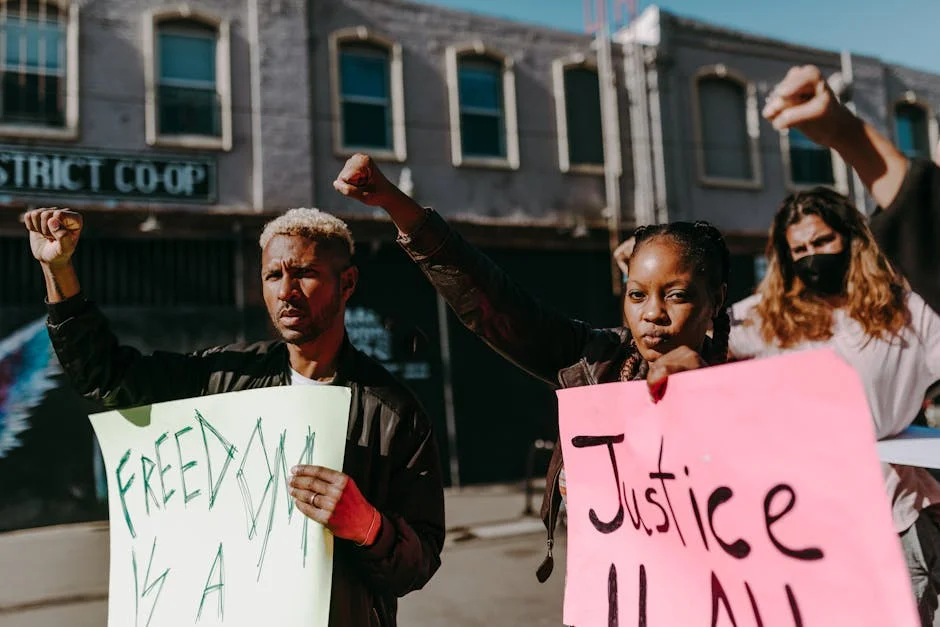
The arrest of Oli, a former leader of the Communist Party of Nepal (Unified Marxist–Leninist), comes amid a growing political crisis. Oli was accused of ordering security forces to use excessive force during a protest in September 2022, which resulted in the deaths of three demonstrators. The incident sparked nationwide outrage and led to widespread protests demanding accountability.
Political analysts say the arrest could signal a power shift within Nepal's ruling coalition. Oli's party, the CPN-UML, has been in a fragile alliance with the Nepali Congress, and his arrest may create space for new political players to emerge.
The situation has also raised questions about the independence of Nepal's judiciary and the rule of law. Human rights groups have called for a transparent investigation into the protest crackdown, while the government has emphasized its commitment to justice.
More Explained: The Role of KP Sharma Oli
KP Sharma Oli, known as "More" in Nepali political circles, served as Nepal's prime minister from 2018 to 2021. His tenure was marked by efforts to strengthen ties with China and push for economic reforms, but it was also plagued by political infighting and allegations of authoritarianism.
Oli's arrest has been seen as a significant blow to his political career and the CPN-UML's influence. His party has accused the government of orchestrating the arrest to weaken their position ahead of upcoming elections.
For investors, Oli's arrest may signal a shift in policy direction. His government had been working on attracting foreign investment, particularly in infrastructure and energy, but the ongoing political instability could deter potential investors.
What Is Nepal? A Country in Transition
Nepal is a small, landlocked country in South Asia, bordered by India and China. It is known for its mountainous terrain, including the Himalayas, and has a population of around 30 million people. The country has faced decades of political instability, economic challenges, and natural disasters, including a devastating earthquake in 2015.
Despite its natural beauty and cultural heritage, Nepal remains one of the poorest countries in the region. Its economy is heavily dependent on agriculture, with limited industrial development. The country also faces challenges in infrastructure, education, and healthcare.
The political turmoil could further delay much-needed economic reforms and investment, particularly in sectors like tourism and hydropower. Investors are watching closely to see how the government will respond to the crisis and whether it will prioritize stability over political maneuvering.
More Impact on the United States: A Regional Ripple Effect
The situation in Nepal could have indirect effects on the United States, particularly through its regional trade and security policies. The U.S. has been involved in development assistance and counterterrorism efforts in South Asia, and instability in Nepal could complicate these efforts.
U.S. investors with interests in Nepal’s energy and infrastructure sectors may be concerned about the political uncertainty. The U.S. Department of State has previously expressed concern over human rights issues in Nepal, and the recent arrest could prompt renewed diplomatic engagement.
Analysts suggest that the U.S. may need to reassess its strategy in the region, given the growing influence of China and India. The situation in Nepal highlights the broader challenges of promoting stability and investment in a politically fragmented South Asia.
Frequently Asked Questions
What is the latest news about nepal arrests expm over fatal protest crackdown political turmoil risks economic stability?
Nepal’s former Prime Minister, KP Sharma Oli, was arrested on charges related to the fatal crackdown on a protest in 2022, marking a major political shift in the South Asian nation.
Why does this matter for politics-world?
The incident has drawn attention from international investors and business leaders, who are closely monitoring how the political turmoil might affect foreign direct investment and economic reforms.
What are the key facts about nepal arrests expm over fatal protest crackdown political turmoil risks economic stability?
Any further instability could disrupt these vital economic links.