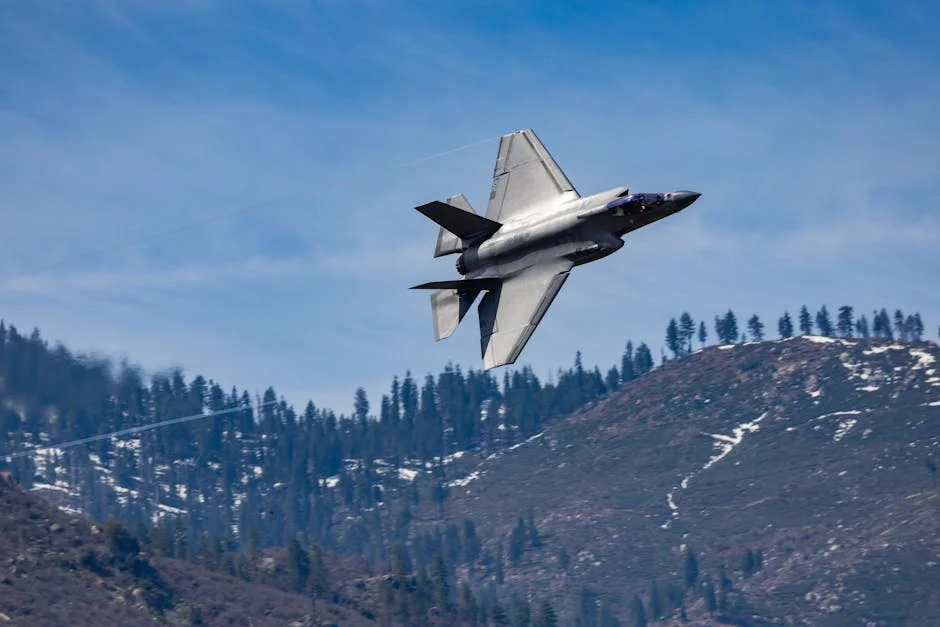
Anduril Industries, the U.S. defense technology startup backed by Silicon Valley investors, has faced a series of setbacks as it seeks to dominate the future of military innovation. Despite its ambitious goals to revolutionize national security through advanced surveillance and autonomous systems, the company has experienced a string of mishaps and delays that have raised concerns among investors and industry analysts.
The challenges have come at a critical time for Anduril, which has been competing with established defense contractors for government contracts. The company, founded in 2017, has positioned itself as a disruptor in the defense sector, leveraging artificial intelligence and robotics to develop cutting-edge solutions. However, recent issues with its products and project timelines have cast doubt on its ability to meet expectations.
Delays and Technical Setbacks
Anduril’s latest project, a border surveillance system designed for the U.S. Customs and Border Protection, has faced significant delays. According to internal documents obtained by The Defense Post, the system’s development has been pushed back by at least six months, with some components still undergoing testing. This delay has raised concerns about the company’s capacity to deliver on its promises, particularly as it competes for federal contracts worth billions of dollars.
Technical issues have also plagued Anduril’s autonomous drone systems, which are intended for both military and civilian use. In a recent test, one of the drones malfunctioned, leading to a crash that damaged infrastructure and raised questions about its reliability. The incident has prompted a review of the company’s quality control processes, with some analysts suggesting that the pace of innovation may be outstripping its ability to manage risk effectively.
The setbacks have not gone unnoticed by investors. Shares of Anduril, which have been closely watched by venture capital firms, have seen a slight decline in value following the latest reports. While the company has not officially commented on the financial impact, industry insiders suggest that the delays could affect its ability to secure further funding, particularly in a competitive market where investors are increasingly cautious.
Market and Investment Reactions
Investors have begun to reassess their positions in Anduril, with some expressing concerns over the company’s ability to scale its operations. The defense technology sector has seen a surge in interest in recent years, with firms like Palantir and General Dynamics leading the charge. However, Anduril’s struggles highlight the risks associated with rapid expansion and the challenges of translating cutting-edge ideas into reliable, deployable technology.
Analysts at Bloomberg Intelligence note that while Anduril’s vision is compelling, the company must address its operational challenges to maintain its competitive edge. “The defense sector is highly regulated and requires rigorous testing,” said one analyst. “Anduril’s recent setbacks could slow its growth unless it can demonstrate a more stable development process.”
The company’s situation also raises broader questions about the future of war tech investment. As governments increasingly look to private firms for innovation, the pressure on startups to deliver results is intensifying. For investors, the challenge lies in balancing the potential for high returns with the risks of technological and regulatory hurdles.
Broader Economic Implications
The delays and technical issues at Anduril reflect a broader trend in the defense technology sector, where the pace of innovation often outstrips the ability of companies to manage the complexities of large-scale deployment. This dynamic has implications for the U.S. economy, as defense spending remains a significant driver of technological advancement and job creation.
For businesses operating in the defense sector, the challenges faced by Anduril serve as a cautionary tale about the risks of overambition. While the potential for growth is substantial, the path to success is fraught with obstacles, including regulatory scrutiny, supply chain disruptions, and the need for continuous innovation.
Looking ahead, the U.S. government is likely to remain a key player in shaping the future of war tech. As Anduril and other startups navigate these challenges, the focus will be on how well they can adapt to the demands of the market and the expectations of their stakeholders.
What to Watch Next
Investors and industry observers are closely monitoring Anduril’s next steps, particularly how the company plans to address its technical and operational challenges. The outcome of its upcoming projects, including the border surveillance system, will be a key indicator of its ability to regain momentum.
Additionally, the company’s performance will be scrutinized in the context of broader trends in the defense technology sector. As the U.S. government continues to invest in advanced military systems, the success or failure of startups like Anduril will have significant implications for the industry as a whole.
For now, the challenges facing Anduril highlight the complex interplay between innovation, regulation, and market forces. As the company works to overcome its setbacks, the lessons learned could shape the future of war tech and the strategies of companies vying for a share of the growing defense technology market.