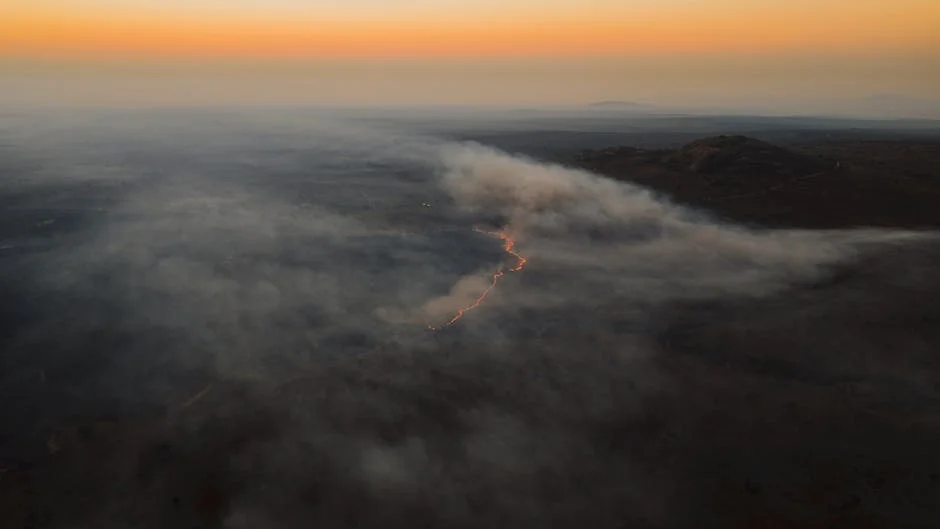
South Sudan's ongoing fire crisis in the Jonglei region has escalated into a humanitarian and economic emergency, with reports of entire villages being destroyed and thousands displaced. The fires, believed to have been sparked by both human activity and extreme weather conditions, have raised concerns about regional stability and its potential ripple effects on markets and trade in East Africa.
South Sudan's Fire Crisis Intensifies
The fires in Jonglei, one of South Sudan's most conflict-prone regions, have spread rapidly due to prolonged drought and high temperatures. Local authorities have struggled to contain the blazes, with some communities reporting that the flames "came from the sky" — a reference to unexplained ignition sources. The situation has worsened as the rainy season has been delayed, leaving the land vulnerable to further devastation.
Humanitarian groups estimate that over 50,000 people have been displaced in the last month alone, with many fleeing to neighboring countries like Kenya and Uganda. The United Nations has warned that the crisis could lead to a surge in food insecurity, as agricultural land and livestock have been severely impacted. This displacement not only strains regional resources but also poses a direct threat to the stability of the entire East African region.
Regional Economic Consequences
The fire crisis in South Sudan is having a measurable impact on regional trade and investment. As a landlocked country with limited infrastructure, South Sudan relies heavily on cross-border trade with neighbors. The destruction of farmland and disruption of supply chains have already led to rising food prices in nearby markets, particularly in the Horn of Africa.
Investors are also taking note. The World Bank has issued a warning that the fires could derail economic recovery efforts in South Sudan, which has been struggling to rebuild after decades of civil war. The instability has already deterred foreign direct investment, with several multinational corporations delaying projects or scaling back operations in the region.
Impact on the Global Economy
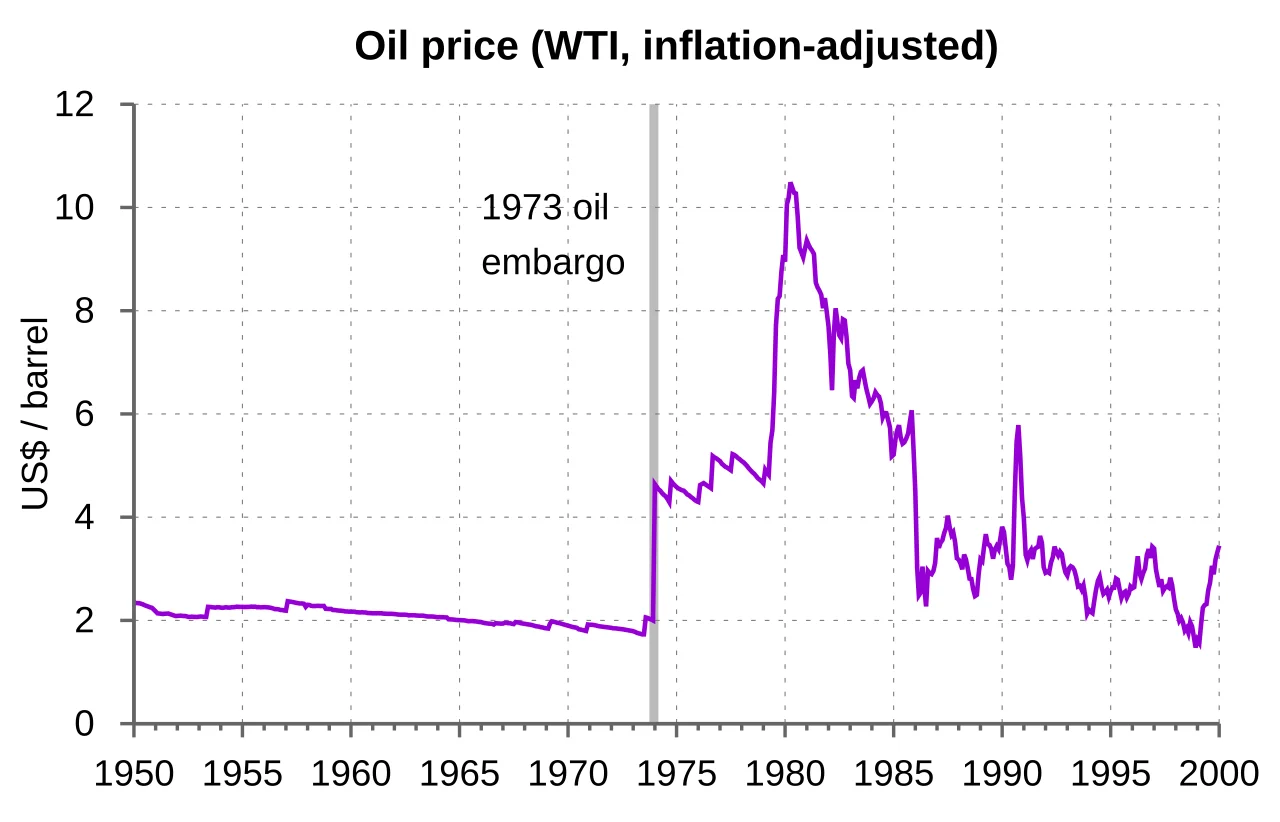
While the immediate effects of the fires are felt in East Africa, the long-term economic implications could reach beyond the region. South Sudan is a significant producer of oil, and any disruption to production or transportation could affect global oil prices. Although the country's oil output is relatively small compared to major producers, any instability in the region increases uncertainty for global markets.
For the United States, the fire crisis in South Sudan is a reminder of the interconnectedness of global economies. The U.S. has been involved in humanitarian aid efforts in the region, and any worsening of the crisis could lead to increased funding requests for relief programs. Additionally, the potential for increased migration from South Sudan could have implications for U.S. immigration policy and international aid commitments.
What to Watch Next
Investors and analysts are closely monitoring the situation in South Sudan, particularly how the fires will affect agricultural output and regional trade. The next few months will be critical in determining whether the crisis leads to a broader economic downturn or if recovery efforts can gain traction.
Businesses operating in the region are also preparing for potential disruptions. Companies with supply chains in South Sudan or its neighbors are reassessing their risk strategies, while financial institutions are adjusting their lending practices to account for the heightened volatility. The international community, including the U.S., will likely play a key role in any coordinated response to the crisis.