Portugal has issued a public statement expressing solidarity with Venezuelans facing a deepening economic and political crisis. The message, delivered by Portuguese officials, comes as the South American nation continues to grapple with hyperinflation, food shortages, and mass migration. The move highlights growing international concern over the humanitarian and economic fallout from the crisis, which has far-reaching implications for global markets and trade dynamics.
The Portuguese government’s outreach to Venezuelans is seen as a symbolic gesture, but it also reflects broader diplomatic and economic considerations. As one of the few European nations with historical ties to Venezuela, Portugal’s position could influence how other countries respond to the crisis. The statement was made during a high-level meeting in Lisbon, where officials discussed regional stability and the need for international support.
Venezuela's Economic Collapse and Global Markets
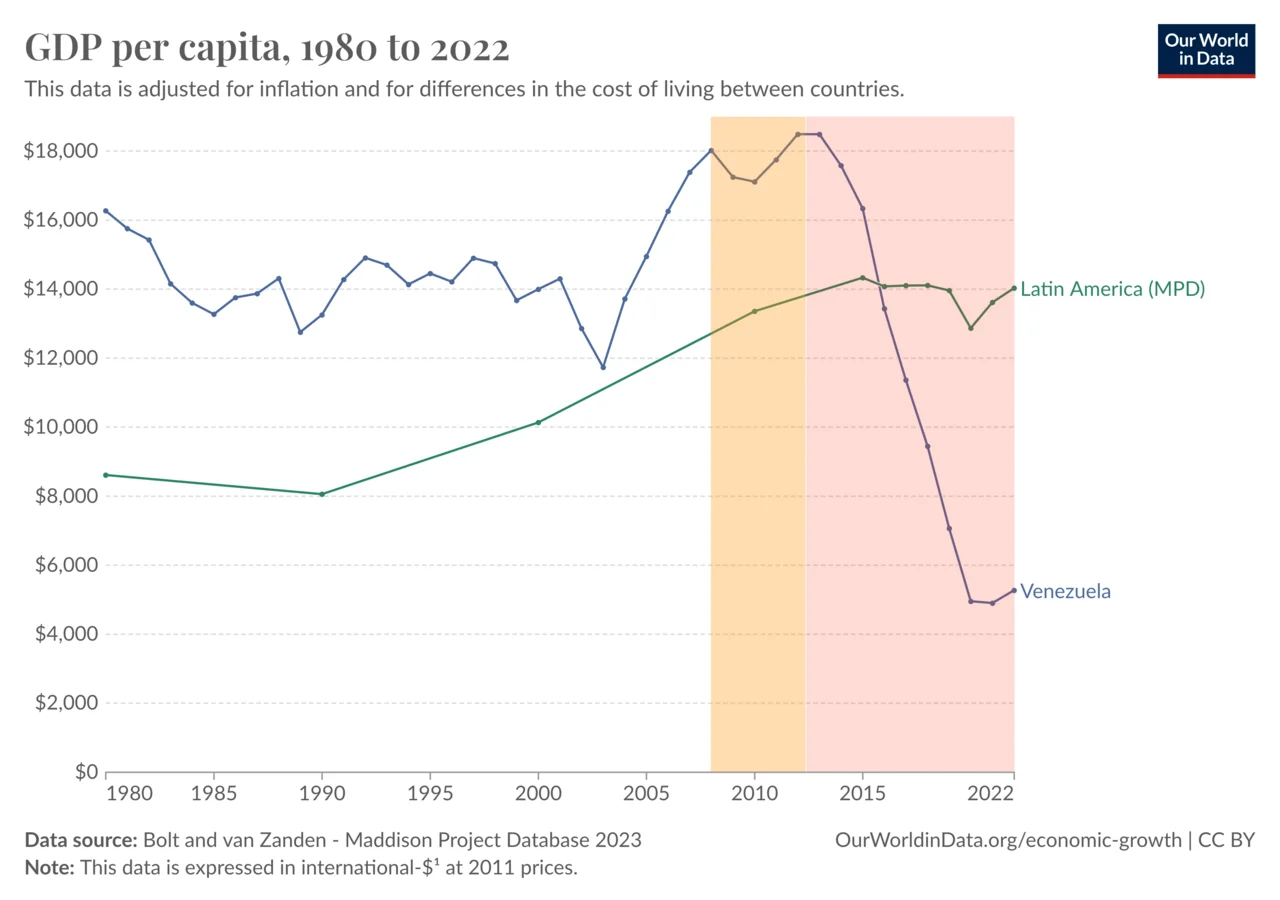
Venezuela’s economic collapse has had ripple effects across the globe, particularly in Latin America and beyond. The country’s reliance on oil exports has been undermined by mismanagement, sanctions, and a decline in global oil prices. This has led to a severe contraction in GDP, with the International Monetary Fund (IMF) estimating a 12% decline in 2023 alone. These economic shocks have contributed to a surge in inflation, which hit 130,000% in 2022, according to the World Bank.
For global markets, the instability in Venezuela has raised concerns about the reliability of regional trade routes and the potential for increased migration flows. Countries like Colombia, Brazil, and Peru have already seen a significant influx of Venezuelan refugees, straining public services and local economies. Investors are closely watching the situation, as any further deterioration could lead to increased volatility in emerging market assets.
Business Implications for Regional and Global Firms
Businesses operating in or with Venezuela face significant challenges. The country’s currency, the bolívar, has lost most of its value, making it difficult for companies to conduct transactions or repatriate profits. Multinational corporations that once had a presence in Venezuela have largely withdrawn, citing political instability and regulatory risks. This has led to a decline in foreign direct investment (FDI) and a shift in supply chains to more stable markets.
For companies in the energy sector, the situation in Venezuela is particularly concerning. The nation holds the world’s largest oil reserves, but production has plummeted due to underinvestment and sanctions. This has affected global oil prices and created uncertainty for energy traders and investors. Analysts suggest that the situation could worsen if the government fails to implement meaningful reforms or secure international support.
Investor Perspective and Risk Assessment
Investors are increasingly cautious about exposure to Venezuela, with many avoiding the country altogether. The lack of transparency, political instability, and legal risks make it a high-risk environment for foreign capital. However, some investors see long-term potential if the government can stabilize the economy and attract foreign investment.
Despite the risks, some financial analysts argue that Venezuela’s strategic importance in the region and its natural resources could make it an attractive long-term investment if the political landscape changes. This has led to increased interest in regional alternatives, such as Colombia and Peru, which are seen as more stable and investment-friendly. The situation in Venezuela remains a key factor in regional economic forecasts and investment strategies.
What to Watch Next
The next few months will be critical for Venezuela’s economic and political trajectory. International pressure on the government is likely to increase, with calls for democratic reforms and economic restructuring. The role of regional organizations, such as the Union of South American Nations (UNASUR), will also be important in shaping the country’s future.
For investors and businesses, the situation in Venezuela will continue to be a key indicator of regional stability. Any signs of improvement, such as a reduction in inflation or increased foreign investment, could have positive implications for the broader Latin American economy. Conversely, further instability could lead to more migration, trade disruptions, and heightened market volatility.
Frequently Asked Questions
What is the latest news about portugal sends message of solidarity to venezuelans amid crisis?
Portugal has issued a public statement expressing solidarity with Venezuelans facing a deepening economic and political crisis.
Why does this matter for health-medicine?
The move highlights growing international concern over the humanitarian and economic fallout from the crisis, which has far-reaching implications for global markets and trade dynamics.
What are the key facts about portugal sends message of solidarity to venezuelans amid crisis?
As one of the few European nations with historical ties to Venezuela, Portugal’s position could influence how other countries respond to the crisis.