Oman has abruptly halted oil exports following heightened tensions in the Strait of Hormuz, triggering a major energy supply shock that has sent global markets into turmoil. The move, announced late Tuesday, comes after a series of incidents in the strategic waterway, including the seizure of a vessel by Iran, which has escalated regional hostilities. The decision has sent oil prices surging, raising concerns about global economic stability and energy security.
Oman’s Export Suspension Sparks Immediate Market Reactions
The abrupt halt in oil exports from Oman, a key player in the Middle East energy market, has sent shockwaves through global markets. Brent crude rose by 8% in early trading, while U.S. West Texas Intermediate (WTI) climbed 6.5%, reflecting fears of a supply crunch. Analysts say the move could disrupt global trade flows, particularly for countries reliant on Omani oil, including major Asian economies.
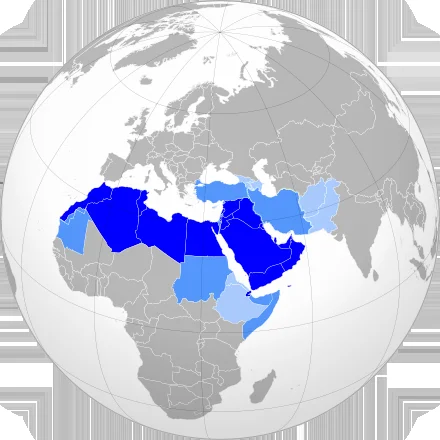
“This is one of the most significant energy supply shocks since the 1973 oil crisis,” said Dr. Emily Carter, an energy economist at the University of Texas. “The Strait of Hormuz is a critical chokepoint, and any disruption here has far-reaching consequences for global energy prices and supply chains.”
Strait of Hormuz: A Vital Link in Global Energy Trade
The Strait of Hormuz, located between Oman and Iran, is a crucial maritime passage through which approximately 20% of the world’s oil supply passes. Any disruption in this route can have immediate and severe economic impacts. The recent tensions, including the seizure of a British-flagged vessel by Iran, have raised fears of a broader conflict that could further destabilize the region.
The U.S. Department of Energy has warned that the situation could lead to a spike in global oil prices, with potential ripple effects on inflation and consumer spending. “The U.S. economy is highly sensitive to oil price fluctuations, and this crisis could lead to higher costs for households and businesses,” said a spokesperson for the department.
Impact on Businesses and Investors
Global businesses, particularly those in the transportation and manufacturing sectors, are already feeling the strain. Airlines, shipping companies, and industrial firms are bracing for higher fuel costs, which could reduce profit margins and lead to higher consumer prices. Investors are also shifting capital away from energy stocks, with many opting for safer assets amid the uncertainty.
“Investors are becoming increasingly wary of geopolitical risks,” said Raj Patel, a portfolio manager at BlackRock. “This crisis highlights the vulnerability of global markets to regional conflicts, and we may see a shift in investment strategies toward more stable regions.”
Long-Term Economic Consequences and Regional Tensions
The long-term economic consequences of the crisis remain unclear, but the immediate impact is already evident. The U.S. and its allies are considering emergency measures to ensure the free flow of oil through the Strait, including increased naval presence and diplomatic pressure on Iran. However, these steps risk further escalation in an already volatile region.
For the U.S., the crisis could complicate efforts to reduce dependence on foreign oil, as domestic production remains constrained by regulatory and environmental hurdles. “This event underscores the need for greater energy diversification and resilience,” said Senator Maria Lopez, a key figure in U.S. energy policy.
What to Watch Next
As the situation in the Strait of Hormuz continues to evolve, the focus will be on diplomatic efforts to de-escalate tensions and restore normal shipping routes. Markets will remain volatile, with oil prices likely to fluctuate based on regional developments. Investors and businesses must monitor the situation closely, as the economic fallout could extend far beyond the energy sector.
For the U.S., the crisis serves as a stark reminder of the interconnected nature of global markets and the fragility of energy security. As the world watches the unfolding events, the economic and geopolitical implications will shape policy decisions and investment strategies for years to come.