Indian Railways has unveiled its new Superfast ticketing system, marking a significant leap forward in digitalization and operational efficiency. This move not only streamlines the railway network but also holds substantial implications for the broader economy and investor sentiment.
New Reservation System Aims to Revolutionize Passenger Experience
The introduction of Superfast by Indian Railways represents a major upgrade to the traditional ticketing process. The new system allows passengers to book tickets online more quickly and easily, reducing wait times and enhancing customer satisfaction. With millions of daily transactions handled through this system, the impact on the railway network's efficiency is considerable.
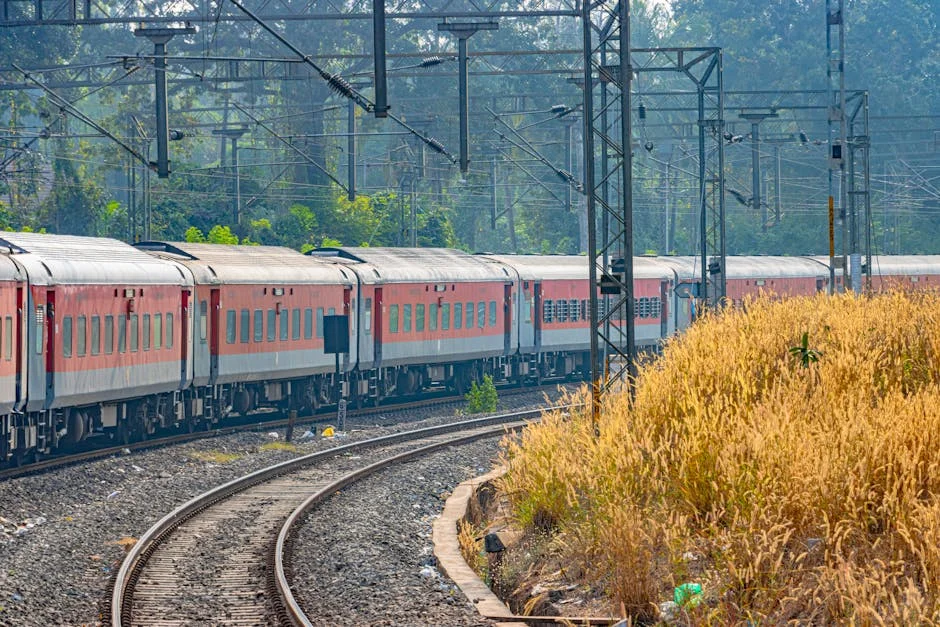
This digital transformation is part of a larger strategy by Indian Railways to modernize its services and improve connectivity across the vast country. By adopting advanced technology, the railway authority aims to compete more effectively with other modes of transportation, such as airlines and road networks.
Economic Impact on India and Global Markets
The implementation of Superfast is expected to have a positive ripple effect on the Indian economy. Improved railway operations can lead to increased tourism, better supply chain management, and enhanced mobility for workers and goods. This, in turn, supports growth in various sectors such as retail, manufacturing, and hospitality.
From an investment perspective, the success of Superfast could attract further capital into the Indian railway sector, potentially leading to more upgrades and expansions. For international investors, the robust performance of Indian Railways serves as a positive indicator for the overall health of the Indian market.
Business Implications for Railway Suppliers and Technology Firms
The adoption of Superfast creates new opportunities for businesses that provide technology solutions and support services to Indian Railways. Companies specializing in software development, data analytics, and telecommunications stand to benefit from increased demand for their products and expertise.
In addition to technology firms, suppliers of hardware and infrastructure components will see a boost as they adapt to meet the needs of the upgraded railway network. This includes everything from ticketing kiosks to track maintenance equipment, highlighting the broad impact of the Superfast initiative.
Investor Sentiment and Market Reactions
The launch of Superfast has been well-received by investors, who view it as a sign of modernization and efficiency within Indian Railways. Positive market reactions have led to increased interest in railway-related stocks, with some analysts predicting long-term gains as the benefits of the new system become more apparent.
Moreover, the success of Superfast could influence investor confidence in other state-owned enterprises, encouraging further investments in infrastructure projects across India. This not only bolsters the railway sector but also supports wider economic growth and development.
Looking Ahead: What’s Next for Indian Railways?
With the successful rollout of Superfast, Indian Railways is now poised to explore additional innovations and improvements. Future plans may include expanding digital services to include mobile payments, real-time tracking, and personalized travel options. These enhancements could further enhance the passenger experience and solidify Indian Railways' position as a leader in efficient and technologically advanced transportation.
The ongoing modernization efforts at Indian Railways are not just beneficial for domestic travelers but also for the global market. As India continues to integrate advanced technologies into its railway network, it sets an example for other developing nations looking to streamline their transportation systems and boost economic activity.