Wall Street slips again as S&P 500 nears 4% loss since war began, signaling ongoing market volatility and concern among investors.
Market Performance Takes a Hit
The S&P 500 index has experienced significant declines, shedding nearly 4% of its value since the start of the ongoing conflict. This trend reflects broader concerns about global economic stability and geopolitical tensions, which continue to weigh on investor confidence. The dip in the S&P 500 comes at a time when many investors were hoping for a stronger recovery following initial post-war optimism.
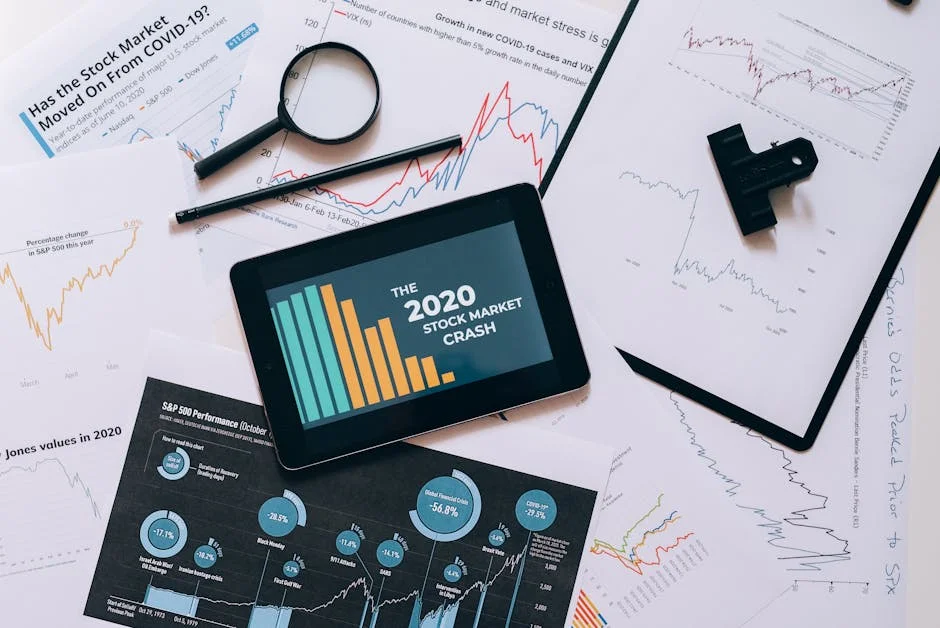
Analysts attribute the recent downturn to several factors, including rising inflation rates, supply chain disruptions, and lingering uncertainty over the duration and impact of the current conflict. These elements have combined to create an environment where risk assets such as stocks face pressure, leading to a less favorable outlook for the immediate future.
Investor Sentiment and Market Reactions
Investors on Wall Street are displaying a mix of caution and optimism, with many opting to hold onto their positions rather than making bold moves. This cautious approach is driven by a desire to weather potential stormy periods ahead, given the unpredictable nature of both domestic and international events.
Despite the overall dip in the market, there are pockets of strength seen in certain sectors. Technology and healthcare companies, for instance, have shown resilience, with robust earnings reports and continued innovation providing support. However, other sectors, particularly those reliant on consumer spending and industrial activity, have faced headwinds due to elevated costs and reduced demand.
Economic Data and Business Implications
The latest economic data points to some areas of strength within the broader economy, but also highlights challenges that businesses will need to navigate. Manufacturing output, for example, has remained robust, driven by strong demand for goods and resilient production capabilities. However, service sector growth has slowed, reflecting softer consumer spending patterns and higher prices.
Businesses across various industries are adapting to these conditions by adjusting their strategies. Some are increasing prices to offset rising costs, while others are focusing on cost-cutting measures to maintain profitability. Additionally, many companies are investing in research and development to innovate and capture new opportunities in the evolving market landscape.
Investment Perspective and Future Outlook
From an investment standpoint, the current environment presents both risks and opportunities. While the near-term outlook may be clouded by volatility, long-term trends suggest potential for growth and recovery. Investors are encouraged to diversify their portfolios and consider both defensive and growth-oriented assets to balance risk and reward.
Looking ahead, the trajectory of the S&P 500 and broader market will likely depend on how key economic indicators evolve and whether there are any breakthroughs in resolving the ongoing conflict. Positive news on these fronts could spark a rally, while continued uncertainty may lead to further declines.
Impact on the Economy and Beyond
The recent performance of Wall Street has implications not just for financial markets, but also for the wider economy. A sustained period of market weakness can affect consumer and business confidence, potentially slowing down spending and investment. Conversely, a robust rebound in stock prices could boost consumer sentiment and encourage more economic activity.
Furthermore, the performance of the S&P 500 is closely watched by policymakers, who use it as one of several indicators to gauge the health of the economy. Strong market performance can provide additional support for policy decisions, such as interest rate adjustments or fiscal stimulus measures. On the other hand, weaker market conditions might prompt policymakers to take steps to bolster economic growth and stability.
Conclusion
The latest downturn in the S&P 500, coupled with ongoing market volatility, underscores the complex interplay between global events and economic performance. As investors and businesses adapt to changing conditions, the near-term outlook remains uncertain, but the potential for recovery and growth remains a key focus for all market participants.