The latest U.S. jobs report revealed robust job growth in October, surpassing expectations and signaling continued strength in the labor market. This development is likely to influence market dynamics, business strategies, and investor decisions in the coming months.
New Job Numbers Boost Market Confidence
The Bureau of Labor Statistics reported that the U.S. added 261,000 jobs in October, well above the forecasted 180,000. The unemployment rate ticked down to 3.7%, marking a significant improvement from the previous month. These figures came as a pleasant surprise to economists and market analysts, who had anticipated a slight deceleration in job creation due to ongoing supply chain disruptions and rising interest rates.
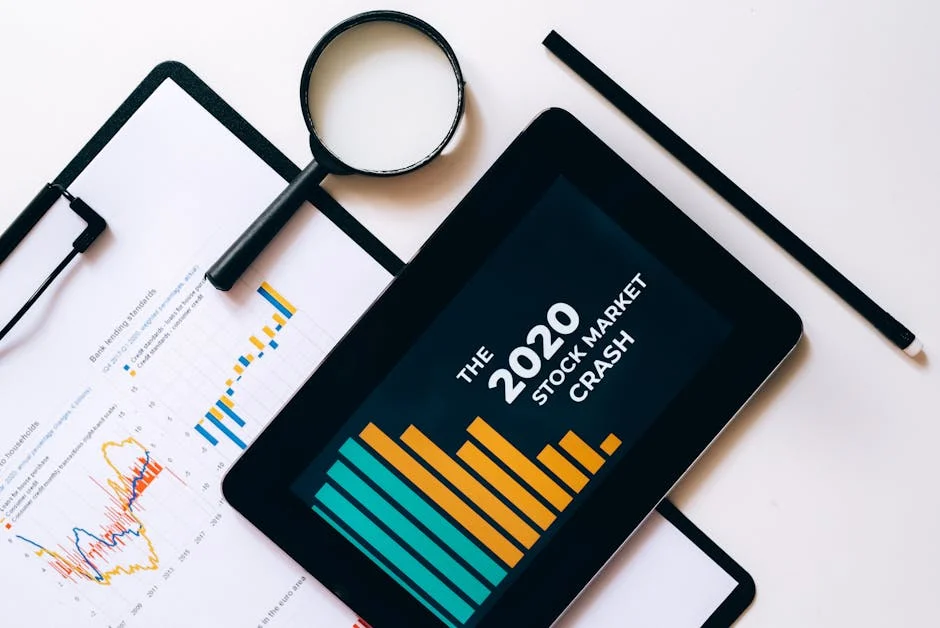
Markets responded positively to the news, with stock indices showing gains immediately following the release of the report. The S&P 500 and the Dow Jones Industrial Average both saw notable increases, reflecting the optimism generated by the strong employment data.
Implications for Business and Investment Strategies
The robust job growth indicates that consumer spending remains resilient, which is crucial for businesses across various sectors. Retailers, manufacturers, and service providers are likely to benefit from increased consumer confidence and higher disposable income. Additionally, the strong job market may encourage more Americans to seek new employment opportunities, driving up competition for skilled workers and potentially leading to wage growth.
For investors, the positive jobs report suggests that the Federal Reserve might maintain its current pace of interest rate hikes, rather than accelerating them. This could have important implications for fixed-income investments and the broader bond market, as higher interest rates typically reduce the value of existing bonds.
Economic Outlook and Future Trends
Economists now see a stronger likelihood of sustained economic growth in the near term, supported by healthy job creation and robust consumer spending. However, there are still some headwinds to watch out for, such as inflationary pressures and potential supply chain bottlenecks. The upcoming holiday shopping season will be a key period to observe how consumers react to these factors.
Looking ahead, the U.S. economy seems well-positioned to handle the challenges posed by global economic conditions. The strong job market provides a solid foundation for further economic expansion, and businesses can expect continued stability in the labor force and consumer base.
Market Reactions and Investor Sentiment
The positive job numbers have bolstered investor sentiment, with many seeing it as a sign of a healthy and growing economy. Stock prices for companies that rely heavily on consumer spending, such as automakers and technology firms, have seen particular boosts. Meanwhile, the tech-heavy Nasdaq Composite also showed gains, driven by strong performance in the software and biotech sectors.
In addition to direct stock market impacts, the jobs report has also influenced other financial instruments. Bond yields rose slightly following the release, indicating that investors expect the Fed to continue its tightening cycle. This shift in yield curves could have ripple effects throughout the economy, influencing everything from mortgage rates to corporate borrowing costs.
Consequences and What to Watch Next
The strong job growth highlighted in the October report has set the stage for continued economic resilience in the U.S. As we move into the winter months, key indicators to watch include consumer spending trends, housing market activity, and overall inflation levels. Businesses should prepare for potential changes in labor costs and consumer behavior, while investors may look for opportunities in sectors that benefit from strong employment and consumer confidence.
The robust job market not only supports current economic growth but also provides a buffer against potential future downturns. As the U.S. economy continues to evolve, the latest jobs report serves as a positive indicator for both short-term market performance and long-term economic health.